
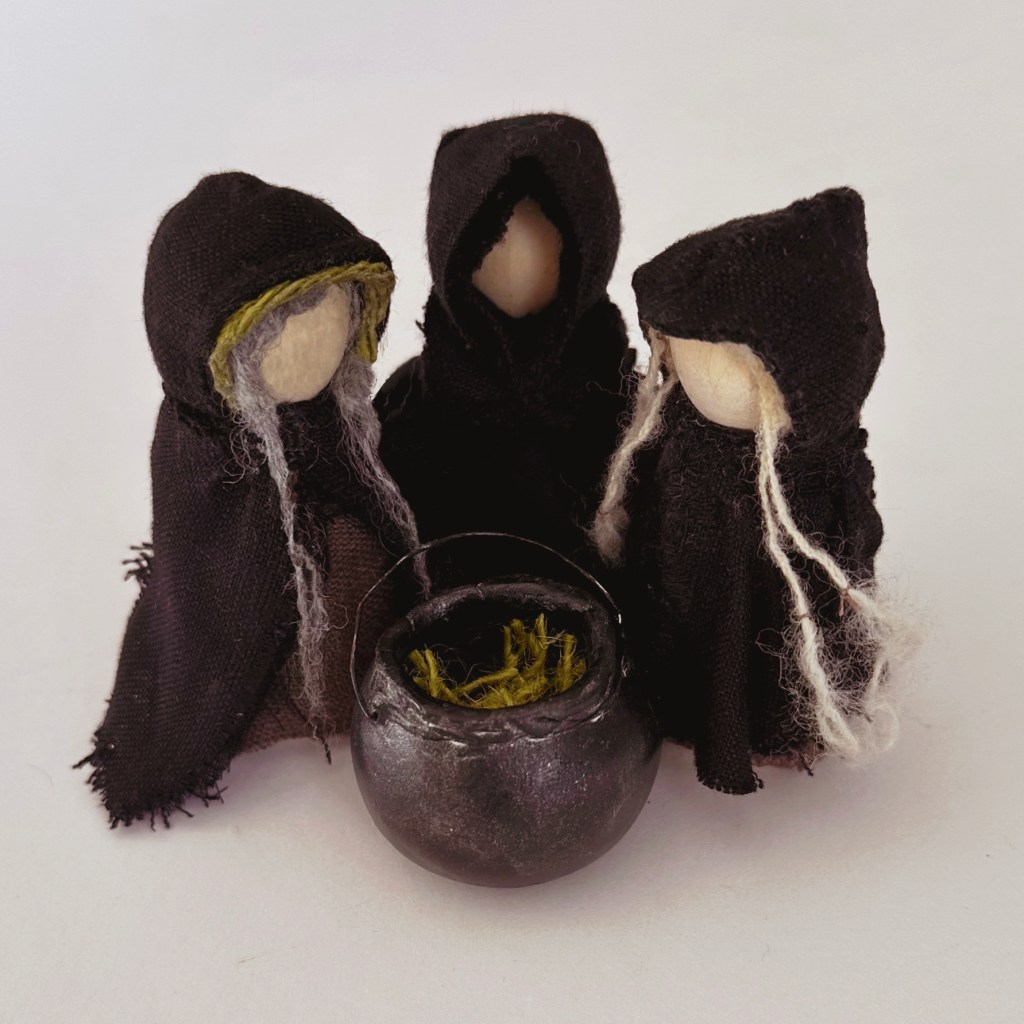

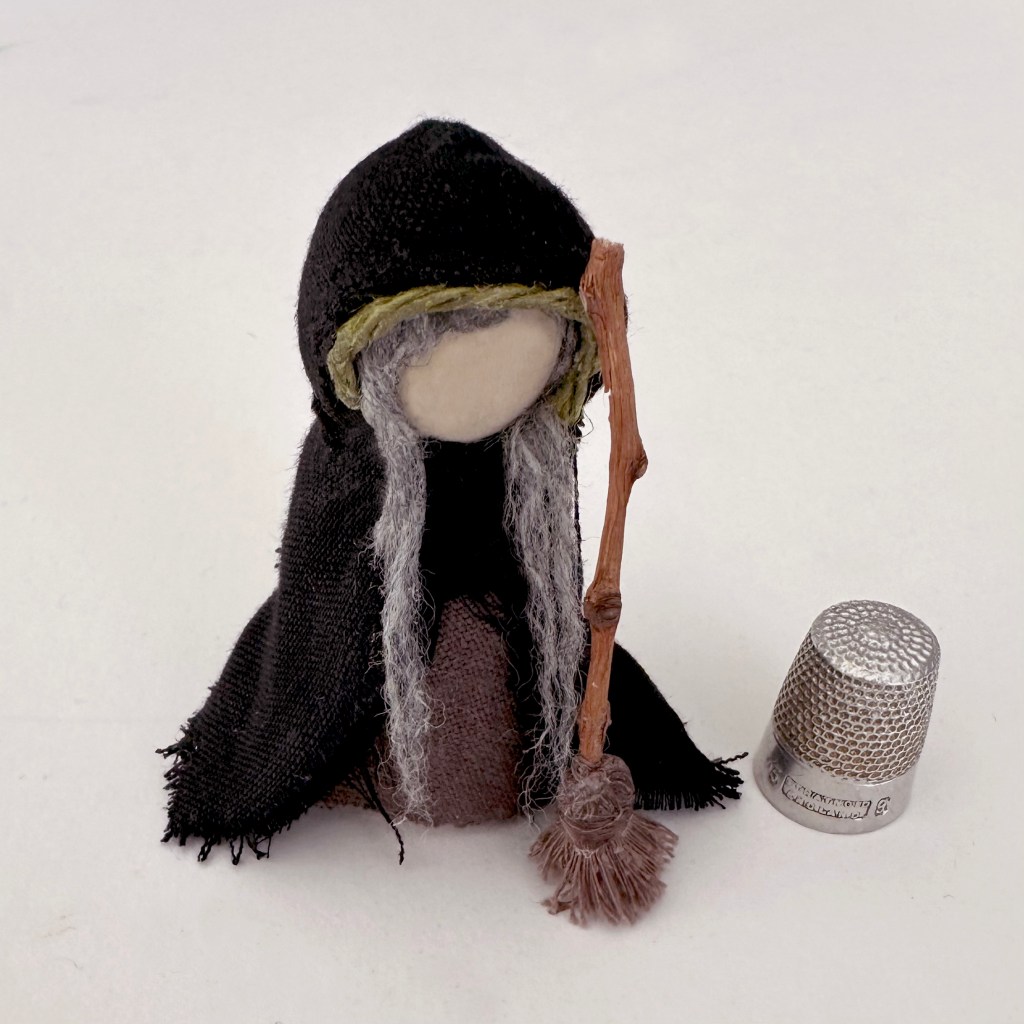
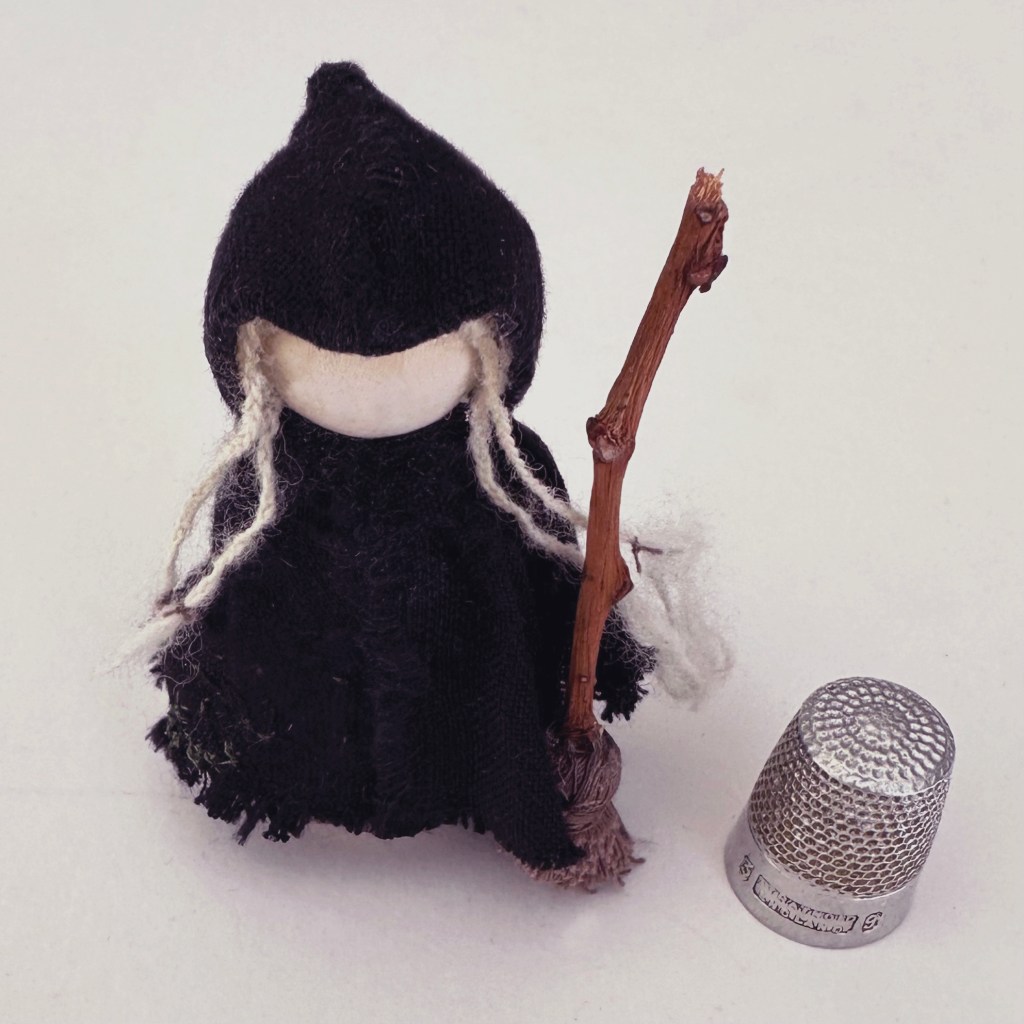
… making wood peg dolls of the ‘weird sisters’ from Shakespeare’s Macbeth1 when I should be cleaning the window sills, working on a commission, weeding the mess that is my backyard.
I’ve finally realised that completing/achieving a task/goal doesn’t give me a warm and fuzzy feeling of success. A feeling that would propel me to create more moments of successfully completed achievements.
When I complete a goal, when I finish an ‘assignment’, I don’t feel relief. I feel an inordinate flood of negative emotion which I know now is anxiety.

If serotonin floods my nervous system in the middle of a task instead of the end, it means I’m not motivated by hypothetical success, economic reward, social adoration.
When I complete a goal/project, all my brain does is go over all the details that could have been improved upon. I used to think that this was a personality virtue. It meant I had a critical eye that wasn’t afraid to look at my faults.
Which would be true if that same eye wasn’t an internal bully, a bully quite willing to remind its childlike experimentations were a very real myriad of failures.
So if I had a visual of myself in my own hero’s journey, I probably would be a hobbit from The Fellowship Of the Ring2, still sitting outside the Door of Durin, making patterns in the dirt with a stick.
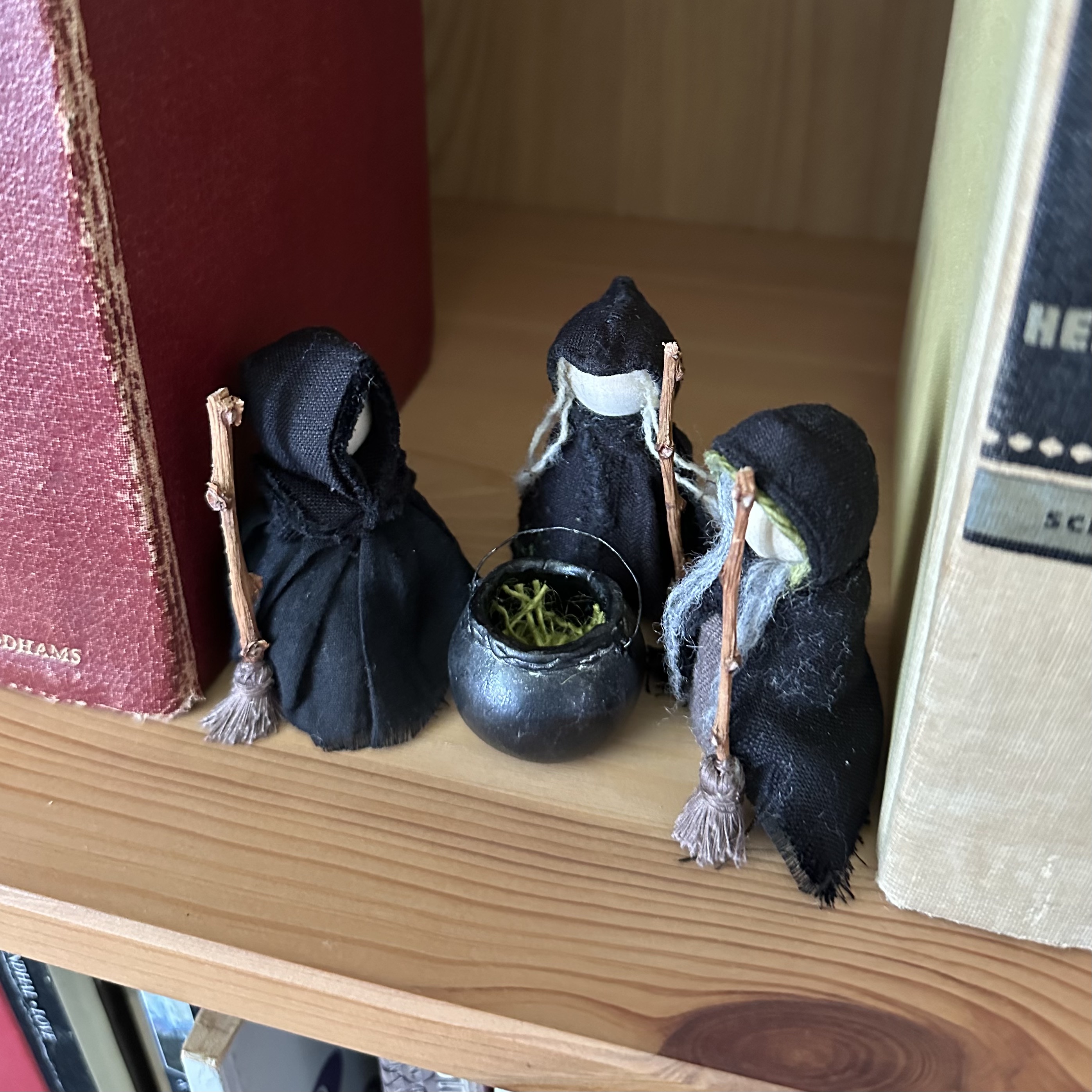
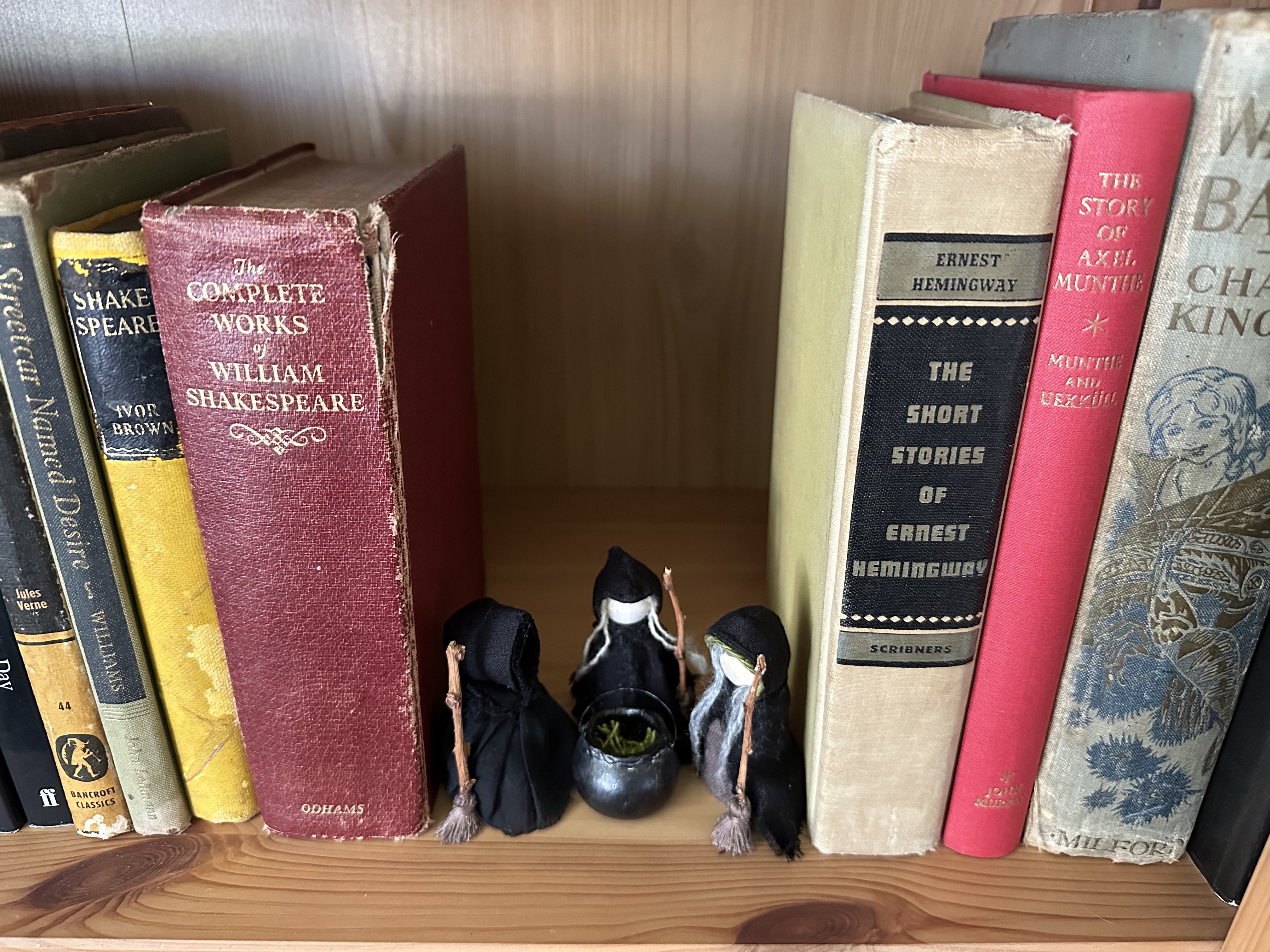
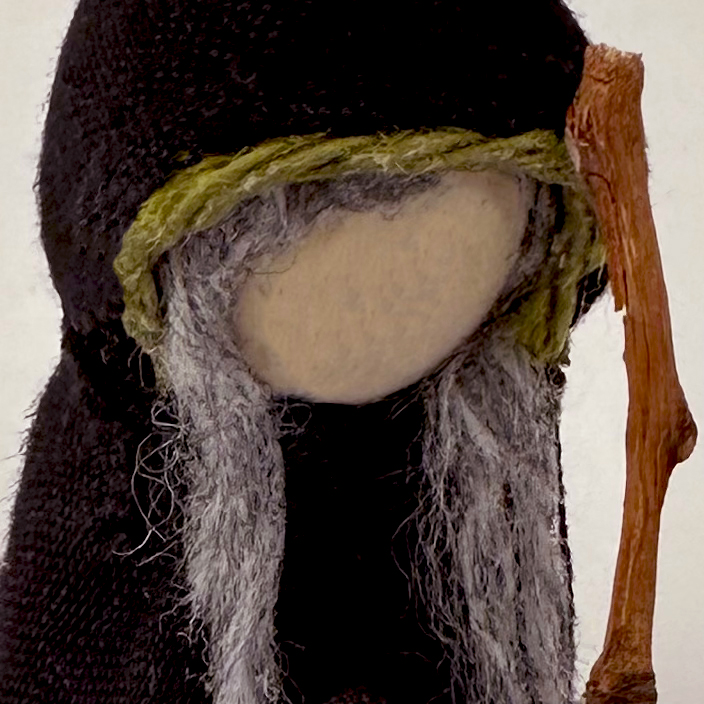
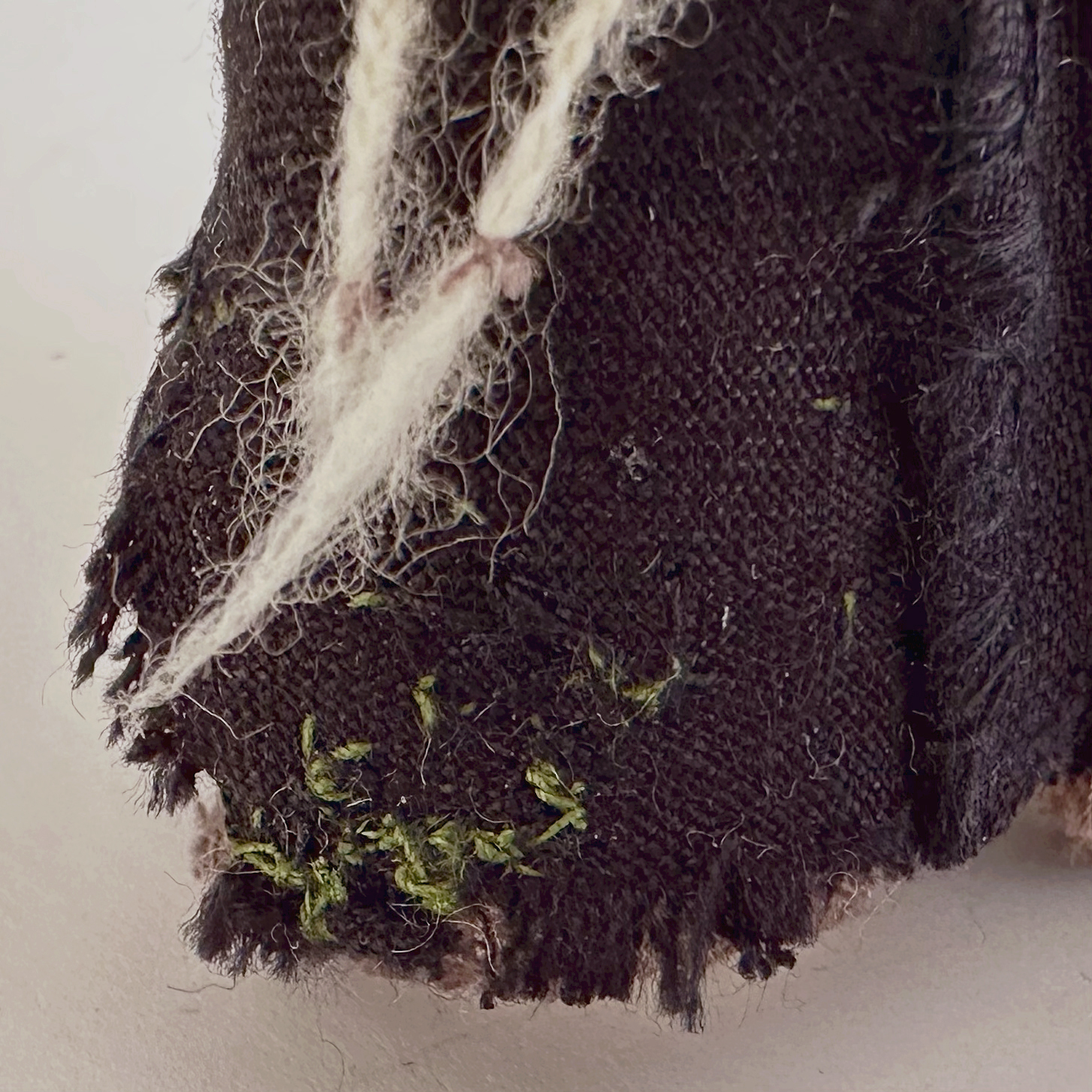
I would like the protagonist in my life to follow the fundamentals of the ultimate mythological quest.
Joseph Campbell, the godfather of comparative mythology, identified and articulated the concept of the ‘monomyth’ or ‘The Hero’s Journey’, a narrative structure that underlies myths, epics and stories across culture and time.
The basic outline is that the hero;
- Receives a call to adventure
- Leaves the ordinary world
- Faces trials and temptations
- Undergoes a transformation
- Returns with newfound wisdom or a gift to benefit others3
She returns home, burning embers in her soles, moving forward… putting one foot in front of another.
Even if there is no velvet curtain, no recognition of talent or wisdom, the story matters.
Sometimes stories end with a sigh, not a Shakespearean yelp.
Sometimes this feels like procrastination.

 raincoats for penguins
You must be logged in to post a comment.